IN SUMMARY
Marine trades operate in environments where the work, property and risks involved can be very different from those faced by an ordinary trade business.
From repairing vessels and handling customer equipment to transporting machinery and working across different marinas, wharves and other locations, there are several areas where it’s important to understand how your insurance will respond to a problem.
This article explores five areas of marine trades insurance worth reviewing:
- whether your liability cover reflects the marine environments and activities you work across
- how your policy may respond if you damage a vessel, component or other customer property you’re working on
- what to consider when a problem connected with your work appears after the job has been completed
- whether customer equipment and property are appropriately insured while being transported or moved
- how your own tools, equipment and stock may be covered when they’re away from your workshop
The purpose isn’t to assume there’s something wrong with your current insurance. It’s to help you understand where limitations, exclusions or different types of cover may apply so you can ensure you have the right marine trades insurance protection before you need to make a claim.
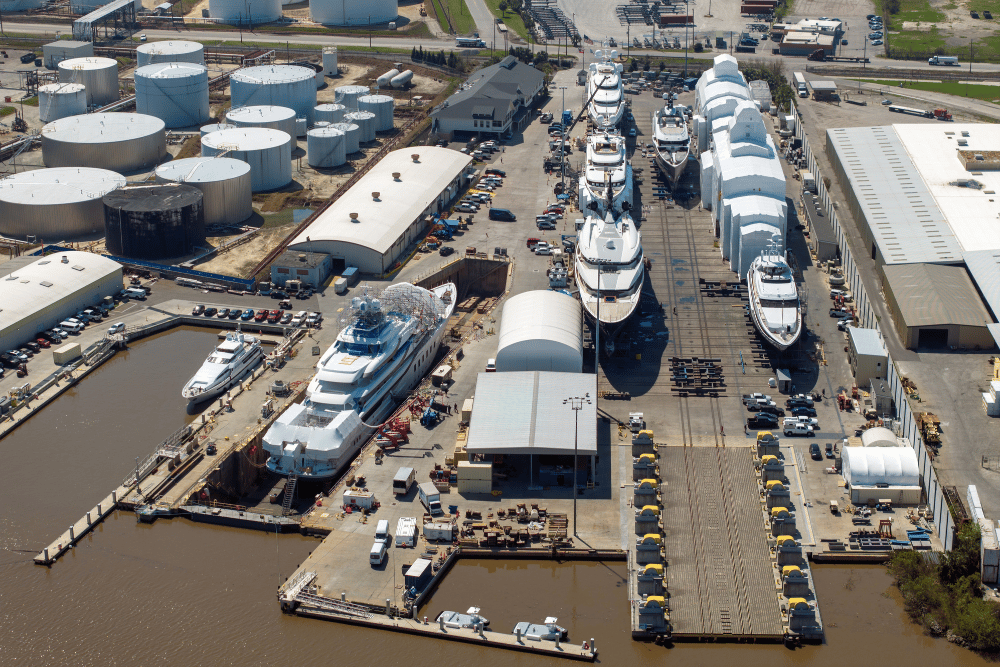
Marine trades carry unique risks that require a different insurance conversation
Marine trades can operate across very different environments and activities.
Depending on your business, that might mean carrying out repairs aboard a vessel, working from a marina or workshop, transporting customer equipment, performing specialist fabrication or handling valuable machinery and components.
That variety is part of the marine industry. But it also means your insurance needs to reflect where you work, what you work on and the property you take responsibility for along the way.
Marine environments can create specialised risks that may not always be addressed in the same way as an ordinary trade business. Depending on policy wording, there may be restrictions, exclusions or limits that become particularly important once you step aboard a vessel or start handling a customer’s property.
That doesn’t mean your current insurance is necessarily inadequate. What it does mean is asking the right questions to better understand whether your cover reflects whatever your workday holds.
Here are five areas of your marine trades insurance you should review.

1. Does your liability cover follow you into the marine environment?
Public Liability is an important part of many trade businesses, but marine work can introduce activities and exposures that need closer attention.
Hot work, welding, fabrication, vessel repairs, loading and unloading or working afloat, offshore or around other vessels and marina infrastructure can all change the nature of the risk.
In this case, some liability policies may contain restrictions or exclusions relevant to your marine work, particular activities or certain locations.
The important question to ask yourself here is:
Does my liability cover extend to the marine activities and locations I work across?
Your liability needs to follow the way you actually work, not stop the minute you step aboard a vessel.
If you’re unsure, it’s best to talk through your regular activities and work locations with your insurance broker rather than assuming they fall within the scope of your existing cover.

2. What happens if you damage the vessel or property you’re working on?
Marine trades can find themselves responsible for some very valuable customer property.
You might be working on a customer’s engine, dealing with navigation equipment or electrical systems, or working directly on the hull or other components of the vessel.
This is where care, custody and control can become relevant.
Some liability policies can contain exclusions, restrictions or sublimits relating to property that’s temporarily in your possession or being directly worked on.
So, it’s worth asking a very straightforward question:
If I accidentally damage the customer’s vessel or equipment while I’m working on it, how will my insurance policy respond?
The answer will depend on the policy, the circumstances and exactly what was damaged.
Understanding this before an incident happens can help you identify whether your insurance reflects the type and value of customer property you regularly handle.

3. What happens if a problem appears after the marine job is finished?
Not every problem becomes obvious while you’re still on the job. Some can appear much later – especially in the marine industry.
- An incorrectly installed fuel line might contribute to a fire.
- Electrical work could cause a short circuit.
- Poor welding may result in structural damage, or an installation issue could eventually allow water ingress.
These situations can raise questions around products and completed operations liability.
One important distinction to understand is the difference between the cost of correcting defective marine work itself and consequential damage caused by that defective work.
Those two things may not necessarily be treated the same way under your insurance policy.
It’s important to understand how your cover responds if a problem connected with your work emerges after completion. Because the job may be finished, but your liability may not be.
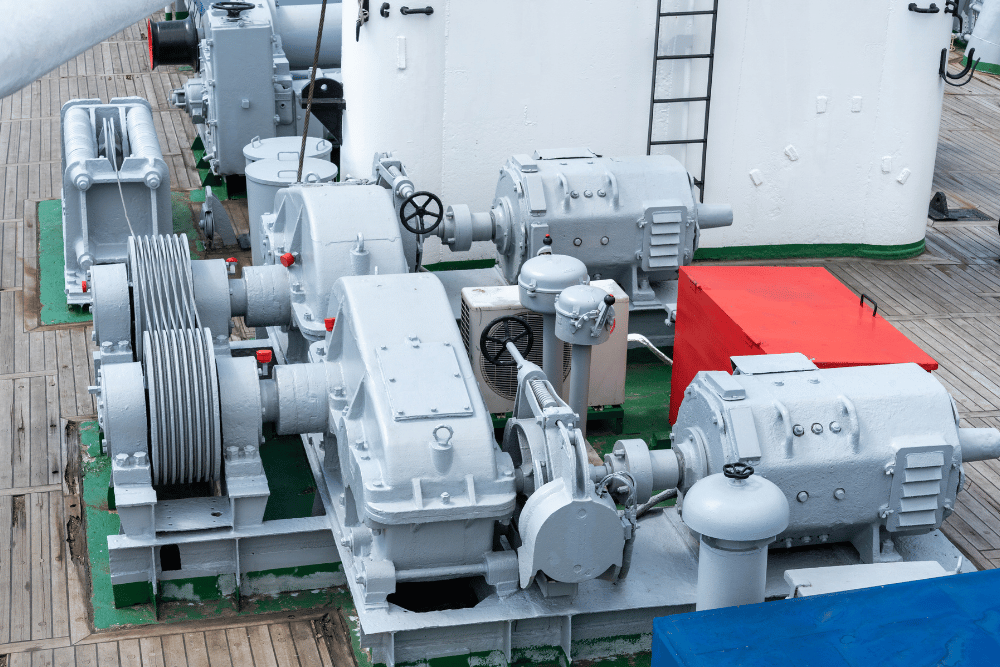
4. Does your insurance cover travel with your customer’s property?
Marine trades often move valuable equipment as part of their everyday operations.
You might collect an engine from a vessel, transport machinery for repair or move customer equipment between a workshop and marina.
In this case, Public Liability shouldn’t automatically be treated as a substitute for Marine Cargo or Marine Transit insurance.
Think about the full journey:
- What happens while the equipment is being loaded?
- What happens while it’s on the road?
- What happens when it reaches another location or is being unloaded?
The same questions can arise around activities such as lifting, crane operations, and launching or hauling out. Essentially any scenario where customer property is being moved or handled.
The bottom line is: if you regularly move customer property in the marine industry, make sure your cover moves with it.
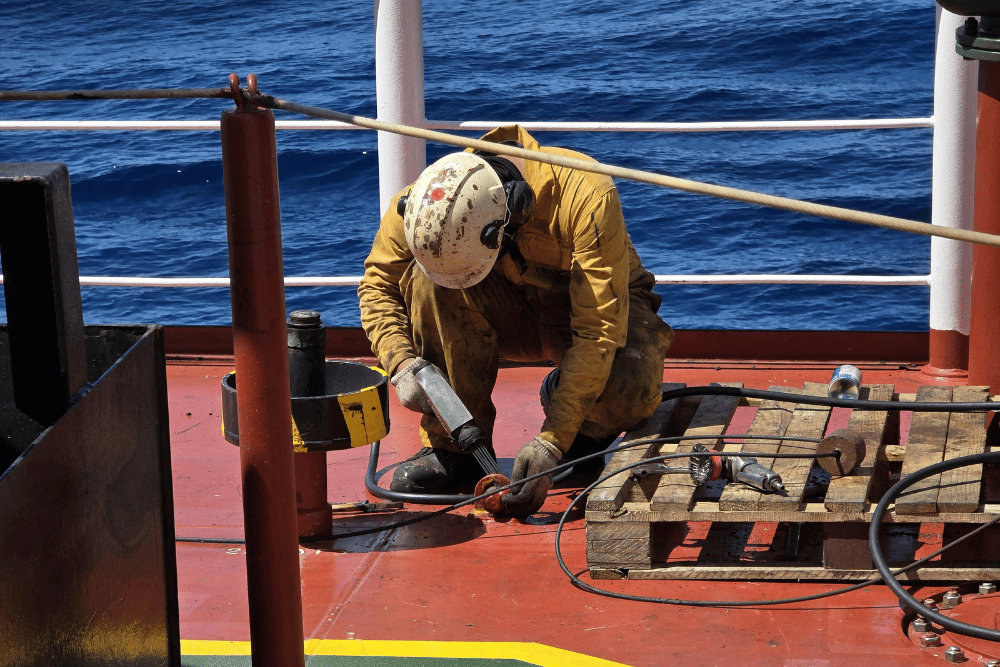
5. Are your tools, equipment and stock covered away from the workshop?
Marine trades rely heavily on portable tools, machinery and equipment, and those assets don’t necessarily spend much time sitting safely inside your business premises.
Property insurance should therefore be reviewed against how and where those assets are actually used.
Depending on your policy, cover for theft, accidental damage, temporary storage or property taken off-site may be subject to particular conditions or limits.
That means it’s worth checking:
- whether portable equipment is covered away from your premises
- whether any location restrictions apply
- how tools stored in vehicles are treated
- whether temporary job sites are included
- whether stock or machinery being moved between locations is covered
Your workshop may be your base, but your insurance should reflect where your business assets actually go.

So, does your current insurance reflect the way your marine trade actually operates?
Even if you’ve been doing this for years, marine trade businesses can change quickly.
You might take on different jobs, start handling more valuable customer property, purchase new equipment or begin transporting goods that previously stayed in the workshop.
That’s why your insurance should be reviewed regularly against your actual operation.
The aim isn’t to assume there’s a problem with your current insurance. It’s to understand how it responds before you need to rely on it.

FAQs about GIBA Marine Trades Insurance
My marine trade has changed over the last year. Do I need to tell my broker?
Yes, it’s worth having the conversation. New services, different types of jobs, more valuable equipment or changes in where you work can all be relevant to your insurance. GIBA Marine can help you work through what’s changed and whether your current cover should be reviewed.
Do I need separate insurance for every different marine risk?
Not necessarily. The right insurance arrangement depends on your business, the work you perform and the wording of the policies involved. GIBA Marine can help you understand how the different parts of your insurance work together and where additional cover may need to be considered.
What should I tell my broker when reviewing my marine trades insurance?
Don’t just provide your business name and turnover. Explain what work you actually do, where you do it, what customer property you handle, what you transport and any recent changes to the operation. The more GIBA Marine understands about the way your business works, the more useful the insurance conversation will be.

Not sure whether your marine trades insurance reflects the way you work?
Marine trades can involve specialised risks, varied work environments and valuable customer property.
If you’re unsure how your current insurance responds to one of the areas above, it may be worth talking it through with an insurance broker who understands and specialises in helping marine trades.
At GIBA Marine, we take the time to understand how your business actually operates so the insurance conversation can reflect the work you do, where you do it and the risks involved.
If you’d like to discuss your marine trades insurance or review how your current policy responds, speak with Thelma and the GIBA Marine team on:
+61 2 9221 7122