The Background
A long-established fishing co-operative had changed the way its business operated, but its insurance structure still reflected an earlier business model.
Operating since the 1950s, the co-op played an important role in handling and distributing seafood caught by its members.
Through Lillian Warren, Operations Manager at GIBA, the co-op continued to manage the practical demands of its operations as its markets expanded and its business evolved, but its insurance arrangements needed to be reviewed to reflect how the business truly worked today.
By taking the time to understand the full journey of the product through the business, GIBA identified an opportunity to restructure several existing insurance arrangements into a more streamlined approach that’s well-aligned with the co-op’s supply chain structure.
The Situation
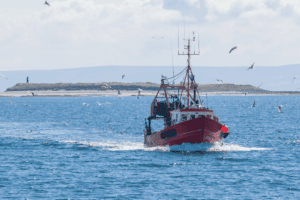
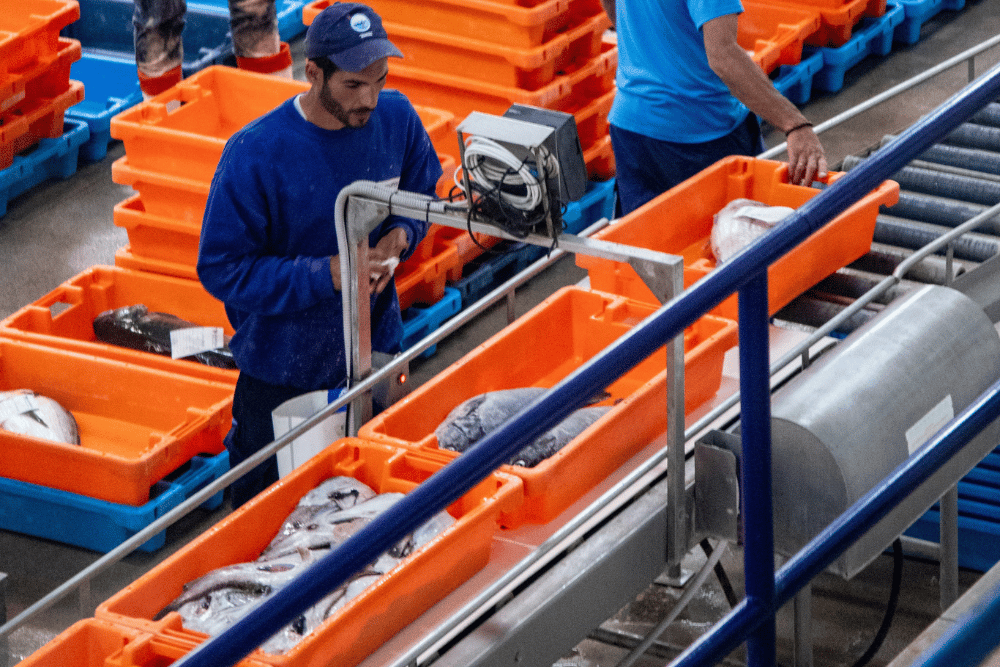
The client is an established fishing co-op where boats brought their catch back to the wharf before the product was handled and distributed through the co-op itself.
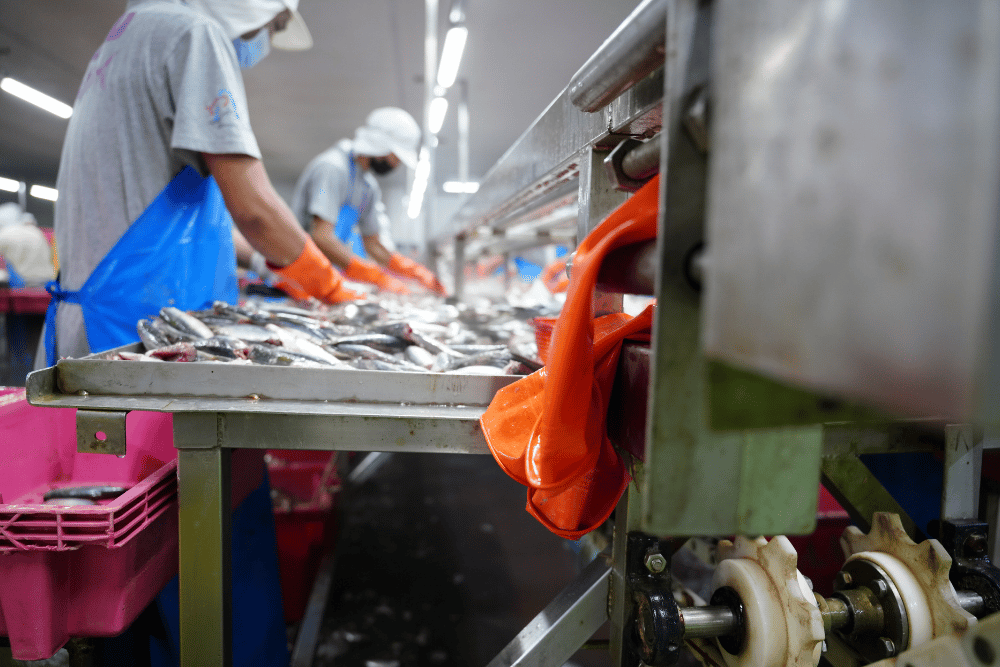
Although the co-op did not own the stock outright, it held the product on behalf of its members. Its operations also extended beyond the local market, with seafood being exported to destinations including Japan and the United States.
Around six years before discussions with GIBA began, the co-op had changed the way it operated. However, its existing insurance arrangements had been built around their previous business model.
The co-op held several separate policies covering different areas of the operation, including stock, buildings, machinery breakdown and cargo, and its premiums were also considerably higher under the existing arrangements.

The Insurance Challenge
The challenge was understanding whether the existing collection of policies still reflected how the co-op operated.
When a business changes its processes, the insurance arrangements established under an earlier business model may no longer be suitable. In this case, the co-op’s handling of members’ stock and the movement of its product through domestic and international markets needed to be considered together.
Rather than looking at each policy in isolation, GIBA needed to understand the broader process. This meant examining how the product moved from the fishing vessels and wharf through the co-op’s operations and onwards to its final destination.
The key question was whether several separate policies were still necessary or whether a more cohesive arrangement could better reflect their supply chain.

GIBA’s Solution
Thelma Williams, Portfolio Manager at GIBA Marine, worked with the co-op to understand how its operations had evolved and how product moved through the supply chain.
This included understanding the practical mechanics of the business, including how the co-op handled stock on behalf of its members and distributed product to markets beyond Australia.
With a clearer understanding of its current operations, GIBA reviewed the existing insurance arrangements and developed a more seamless, supply-chain-driven structure that made insurance much easier for the co-op.
The new arrangement brought the stock component under a broader policy designed around the movement of the product. The cover now begins when the catch is brought aboard and continues through to its destination, including overseas markets.
This approach better reflected how the co-op handled and distributed its members’ product, rather than relying on an insurance structure built around its previous way of operating.

The Outcome
The restructure reduced the need for several separate policies and helped bring down the co-op’s overall insurance premiums.
It also created a more streamlined arrangement around the movement of the product through the supply chain, giving the co-op a structure that better reflected its current operations.
This case reveals the value of reviewing insurance when a business changes. What worked under an earlier operating model may no longer be the most appropriate arrangement, particularly when stock ownership, distribution processes and export markets are involved.
For fishing co-operatives and other businesses with complex supply chains, understanding how products move through the operation can help identify opportunities to review and improve existing insurance arrangements.
If your business has evolved but your insurance structure has remained largely unchanged, speak with GIBA about whether your current policies still reflect the way your organisation operates.
Talk to the GIBA team today: