The Background
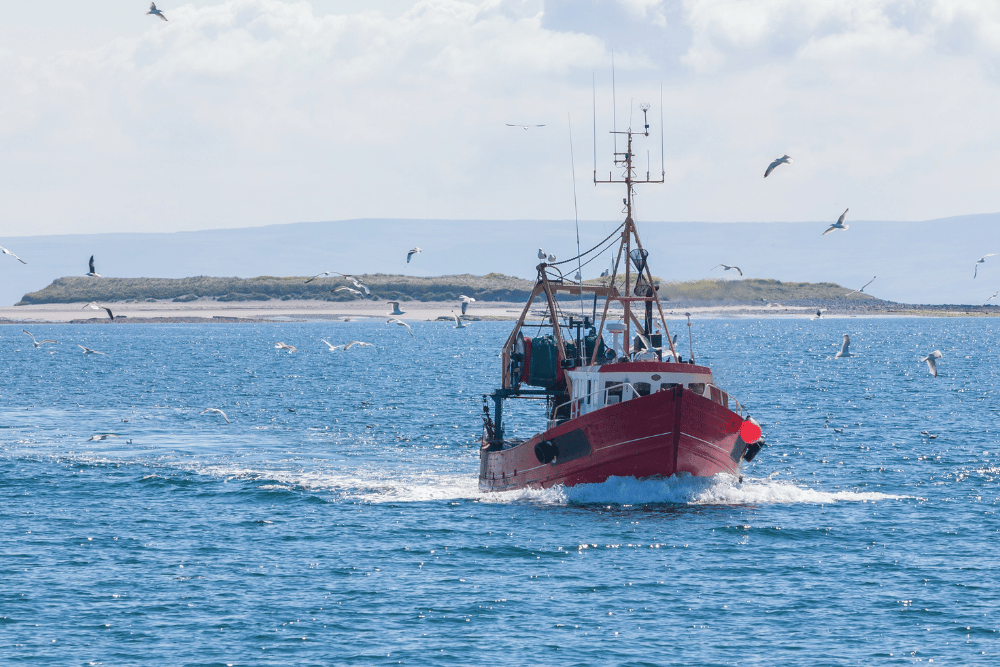
For a commercial fishing operation, the vessel itself may be only one part of the insurance picture.
While insuring the boat is an obvious priority, the onboard machinery, the crew, as well as the catch itself and what happens after it leaves the vessel can all introduce different insurance considerations.
That’s why Thelma Williams, Portfolio Manager at GIBA Marine, takes a hands-on approach to understanding these marine insurance risks.
By spending time at the wharves, onboard vessels and out on working fishing boats herself, Thelma has developed a practical understanding of how fishing operations work and where the greatest exposures are.
The Situation
Thelma works with commercial fishing operators whose businesses involve much more than just the vessel they take out to sea.
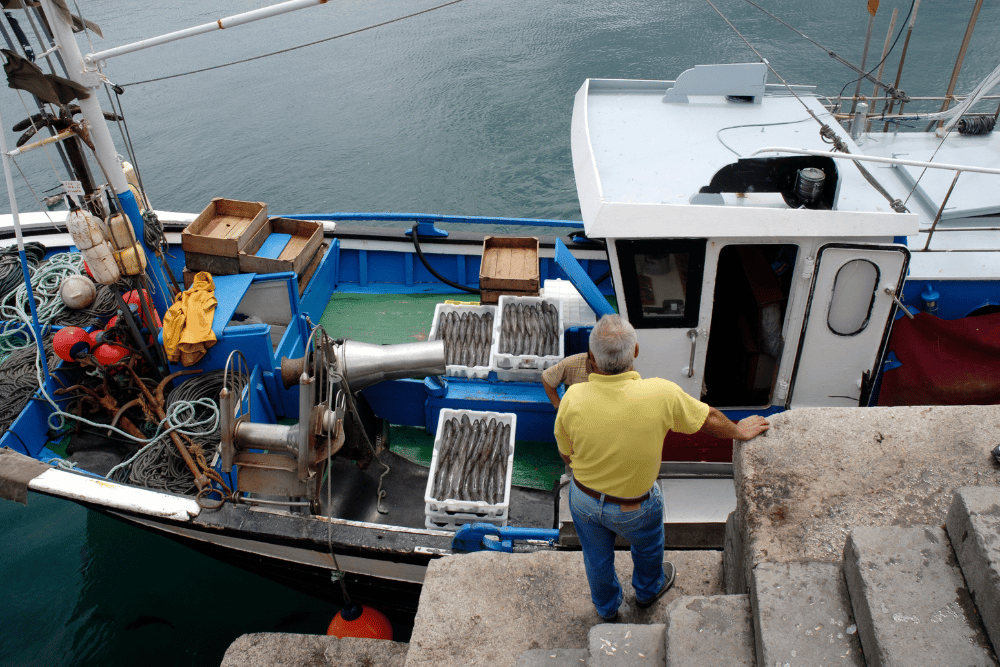
For some fishermen, the initial focus is naturally on their boat, because it’s such a significant business asset. However, their wider operation can also involve a lot of machinery and equipment, crew working in a high-exposure environment and considerable value tied up in their catch.
Once the fish are caught and processed, the product may also move into storage or be transported and distributed across Australia or overseas.
Understanding how these parts of the marine operation connect is an important step in identifying the insurance considerations involved.

The Insurance Challenge
The challenge is that different parts of a fishing operation may require different types of protection.
For example, a fishing operation can involve up to a ton of product, so the value of the catch itself can represent a significant exposure. But simply having vessel cover doesn’t necessarily mean the product is also protected, which is why the catch may need to be considered separately.
There are also considerations around crew, machinery breakdowns and what happens to the catch after it leaves the vessel, including whether it’s distributed within Australia or exported internationally.
Without a detailed understanding of the operation, some of these exposures may be overlooked in a conversation that’s focused mainly on the boat.

GIBA’s Solution
To navigate these challenges, Thelma takes a deliberate hands-on approach to understanding the fishing industry.
Rather than relying solely on a client to explain every part of the operation, she gets out to the wharves, boards vessels and spends time alongside the people doing the work.
On multiple occasions, she has even gone out on working fishing vessels herself, including spending time as a deckhand overnight.
That firsthand experience helps her understand how the vessels operate, how machinery and equipment are used and where different risks can emerge throughout the process.
It also supports more informed conversations with clients about the areas they may need to consider, including machinery breakdown, crew-related exposures, the value of the catch and where that product travels after being caught and processed.
The Outcome
Thelma’s hands-on approach allows GIBA Marine to have a broader, more informed insurance conversation with fishing operators.
This helps bring more attention to the risks beyond the vessel itself and gives clients the opportunity to consider whether their current insurance reflects the machinery, crew, product and distribution activities involved in the wider operation.
This case shows why understanding a specialised industry requires more than knowing the insurance products available. It means taking the time to understand how a business actually works and asking questions that help uncover risks the client may not have considered.
For commercial fishing operators, that understanding can help identify potential gaps before they become a much larger issue.
If your marine business carries risks that go beyond the vessel itself, speak with GIBA Marine about your current insurance and the different exposures involved in your operation.
Talk to the GIBA team today: