The Background
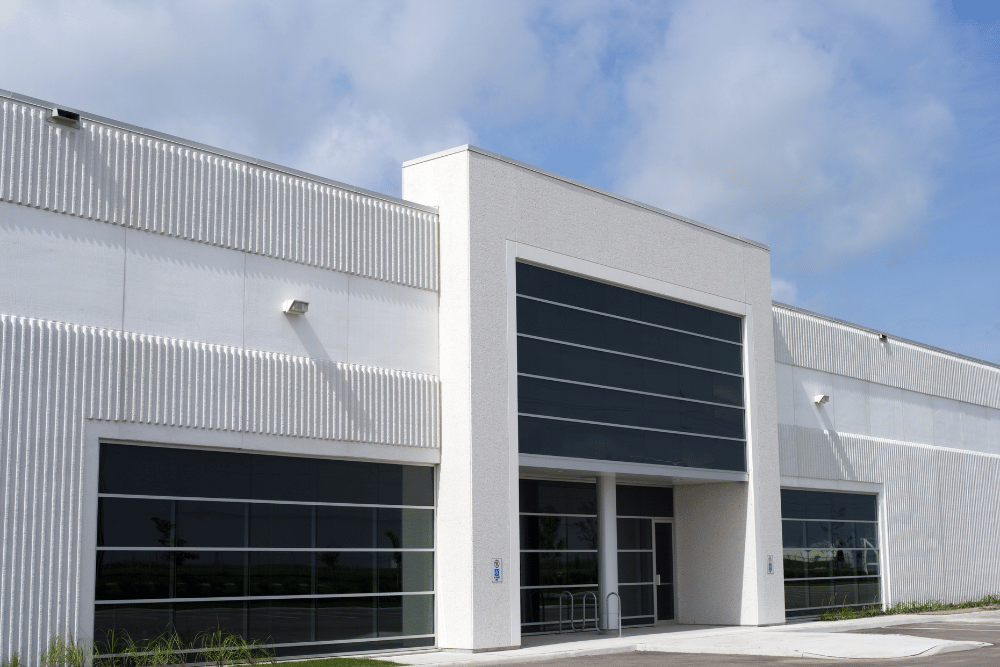
A commercial property owner was arranging insurance for their building occupied by a cabinet making business. During the process, the client provided a valuation of approximately $2.85 million to help establish the building sum insured.
However, the valuation reflected the property’s market value rather than the amount relevant to rebuilding the insured structure.
This distinction is important.
At this point, Tiffany Maxwell, Account Manager at GIBA, recognised the opportunity to review the valuation basis and help the client make a more informed and accurate decision about their insurance.
The Situation
The client had purchased two commercial properties, with one occupied by a cabinet making business.
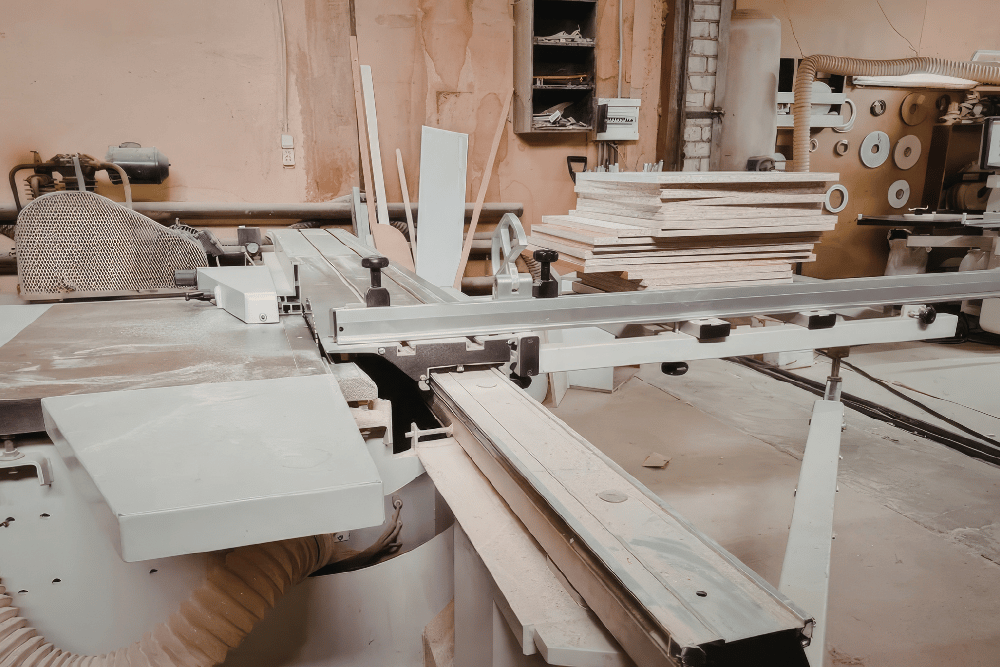
The nature of the tenancy created particular insurance considerations. Cabinet making involves timber, cutting processes and other combustible materials, making it important for insurers to understand the activities taking place at the property.
As part of the insurance process, the client supplied a valuation of approximately $2.85 million for the building sum insured.
While the figure provided a starting point for the insurance discussion, Tiffany identified that the valuation needed a closer look before it could be used as the basis for insuring the building.

The Insurance Challenge
The issue was the type of valuation the client had obtained.
It was a market valuation, which reflected what the property could be worth if bought or sold. An insurance valuation serves a different purpose, focusing on the amount relevant to replacing or rebuilding the insured building.
A property’s market value can include factors such as the value of the land and its location, which are not the same as the cost of replacing the building itself.
For the client, this distinction had a direct financial implication. Using the market valuation as the building sum insured could mean paying a premium based on a figure that was not appropriate for insurance purposes.
The challenge was to establish a more suitable valuation for the building before finalising the insurance arrangement.

GIBA’s Solution
Tiffany explained the difference between a market valuation and an insurance valuation, helping the client understand why the distinction was important when arranging building insurance.
Instead of simply accepting the $2.85 million figure supplied, GIBA recommended obtaining a dedicated insurance valuation from an appropriate professional to establish a figure more relevant to the building’s replacement.
To help the client take the next step, Tiffany then provided the client with a contact for a valuer who could carry out the assessment
The client followed the recommendation and obtained an insurance valuation specifically for the building. The result was a figure of approximately $1.67 million, considerably lower than the original $2.85 million market valuation.
This gave the client a more appropriate basis for reviewing the building sum insured and its associated premium.

The Outcome
The difference was reflected in the indicative premium.
Before the valuation was reviewed, the indicative annual premium was approximately $22,000. Using the revised insurance valuation, that figure was reduced to around $15,000.
This outcome showed how taking the time to understand the valuation behind a building sum insured figure can make a significant difference to the insurance discussion.
For this client, Tiffany’s advice helped identify that the original market valuation wasn’t relevant for insurance purposes. By recommending a dedicated insurance valuation, GIBA helped the client reassess the building sum insured on a more appropriate basis.
Sometimes, a better insurance outcome starts with asking whether the information behind the policy is right.
If you own commercial property and aren’t sure whether your building sum insured reflects its replacement value, speak with GIBA about whether a dedicated insurance valuation may be worth considering.
Talk to the GIBA team today: